
Educating to the Highest Standards of the Classical Tradition
Classical education is the cultivation of wisdom and virtue through the study of the liberal arts and the Great Books. A mastery of both is the best way to prepare a child to think well and live well in the world.
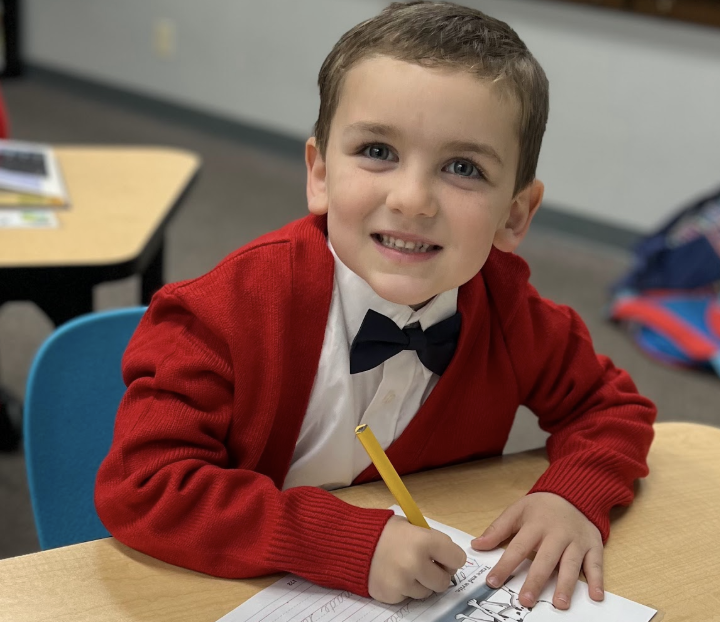
Building Confident Readers in our Academic Kindergarten
Intensive Phonics Reading Program

Growing in Faith Together
Daily Chapel & Bible Study

FORMING THE WHOLE CHILD
Growing Through Play

Music as Formation
Music & the Arts
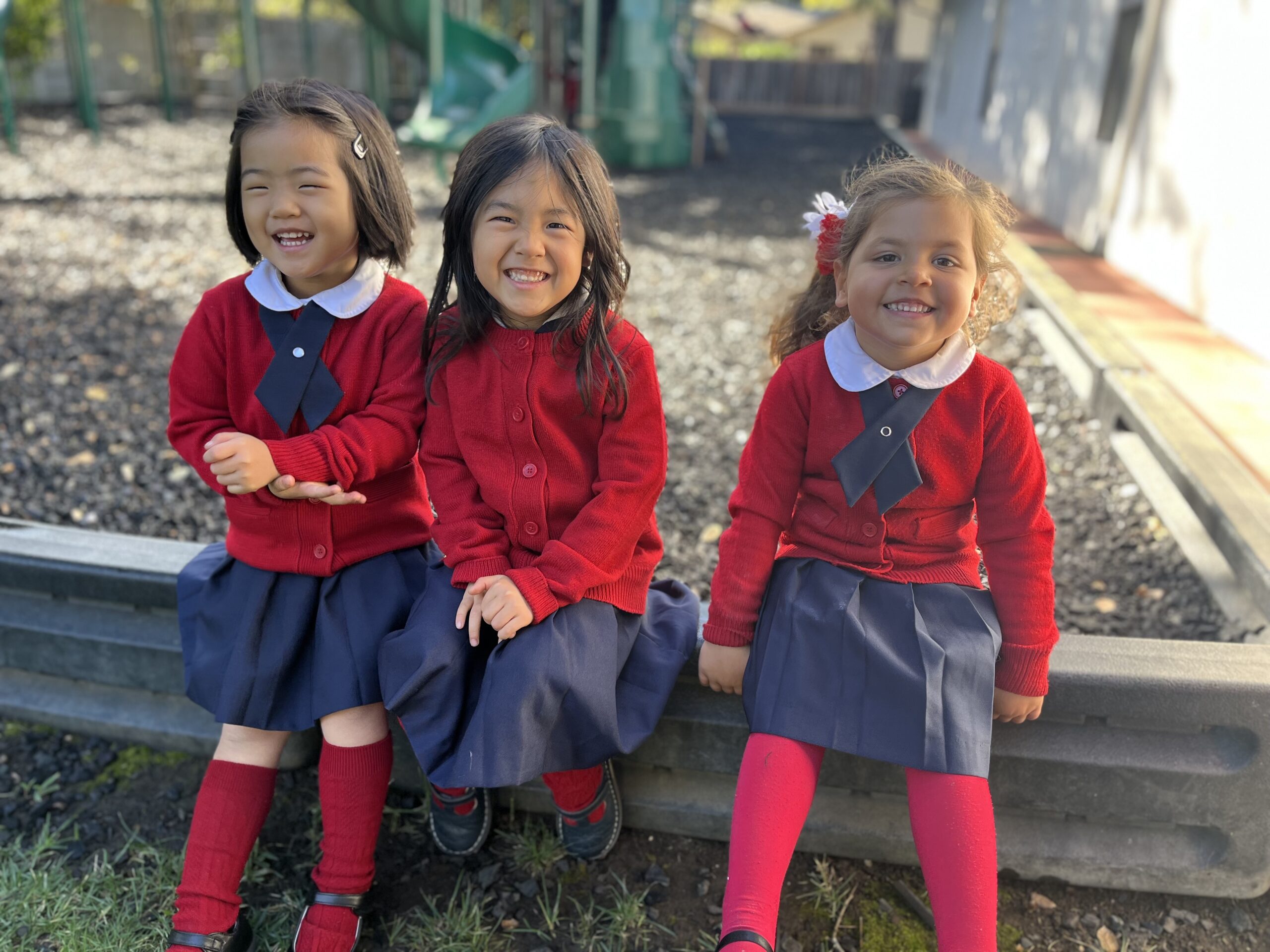
WHERE CHILDREN FLOURISH
In Mind, Heart, and Community
The early years of a child’s education are a sacred and formative season, one that shapes not only habits of mind, but habits of heart. At Canterbury School, our Kindergarten program offers a thoughtful and ordered beginning, giving children a firm foundation upon which a lifetime of learning may be built.
From morning arrival to afternoon dismissal, each day is carefully structured to suit the nature and needs of four- and five-year-olds. Through purposeful instruction, guided play, and gentle discipline, students are introduced to the fundamental skills of reading, writing, and number, all within an environment of beauty, order, and joy.
Our Kindergarten students learn not through distraction or novelty, but through repetition, imitation, and attentiveness—time-tested methods that cultivate focus, confidence, and delight in learning. Under the care of devoted teachers, children are formed in character as well as knowledge, laying the stepping-stones for future academic study and faithful Christian living.
Parents witness, often with quiet amazement, the growth of their child’s confidence, skill, and love of learning. It is here, at the beginning, that a child learns not only how to learn, but why—to know what is true, to love what is good, and to delight in what is beautiful, all to the glory of God.

Solid Skills and Knowledge
The elementary years are a decisive period in which students steadily acquire a clear understanding of the world God has made. During this stage, children are trained in the foundational arts of learning—arithmetic, reading, writing, and grammar—while deepening their knowledge of history, geography, science, health, and Holy Scripture.
Great care is given to the cultivation of beautiful and legible cursive handwriting, forming habits of attention, patience, and excellence. Alongside this, students are introduced to Latin, the language that shaped Western learning and Christian theology, strengthening vocabulary, grammar, and logical thought while preparing them for advanced study.
Spiral Learning and Mastery
Instruction follows a spiral approach in which new material is built upon what has already been learned. Through regular review, recitation, and application, students gain mastery rather than mere exposure. Concepts are reinforced across subjects and from year to year, allowing knowledge to be firmly retained and thoughtfully applied.
This method honors the way children learn best—through repetition, order, and gradual progression—forming confidence and intellectual stability.


Formation of Character and Calling
Elementary education at Canterbury attends to the whole child. Whether on the field, the stage, or in the classroom, students are encouraged to exercise their God-given gifts with humility and diligence. Through art, music, athletics, and shared responsibilities, they learn cooperation, perseverance, and self-discipline.
In all things, students are guided toward integrity of character, love of neighbor, and faithful stewardship of their abilities—preparing them not only for the next grade, but for a life of wisdom and service under Christ.
Thoughtful Reasoning and Expression
Students are trained to think carefully and clearly by grounding their reasoning in well-formed knowledge. As they write, recite, discuss, and present their work, they learn that true understanding involves more than recalling information—it requires wisdom, judgment, and expression.
Through writing assignments, projects, and oral presentations, students begin to articulate ideas with clarity and confidence, learning to apply what they know to meaningful questions and real situations.
